
13 Nov Comparing Responsible Gambling Tools at New Zealand Casinos
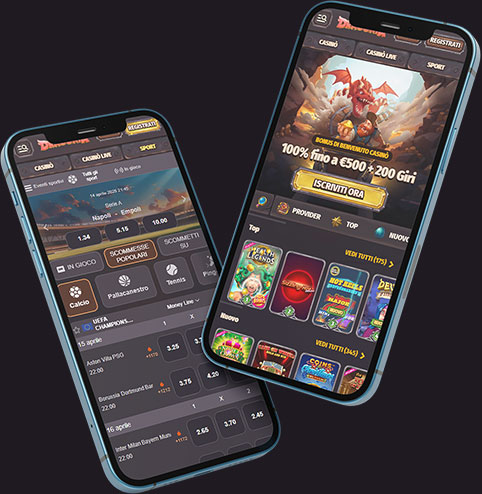
Responsible gambling tools are more useful when they are clear, accessible and suited to the way a person actually plays. For readers assessing reliable new zealand casinos, the important question is not simply whether an operator mentions safer gambling, but whether it explains account controls, self-exclusion and support in practical terms. Dragonia’s public information describes several account-based options, although some controls must be confirmed through customer support or the account area: https://starsuperette.com/
Which controls should be visible before you play?
A responsible gambling assessment should begin with the controls that can limit access or interrupt play. The most important are usually deposit limits, loss limits, session or time reminders, cooling-off periods, account closure and self-exclusion. These tools serve different purposes. A deposit limit restricts how much money can be added, while a loss limit focuses on the amount that can be lost. A session reminder helps with time awareness, but does not necessarily limit spending.
Dragonia’s published information confirms that account closure and self-exclusion can be requested through customer support. It also describes these measures as responsible-gambling options. However, the reviewed public material does not provide a complete list of configurable deposit, loss or session limits. That distinction matters: a general statement about safer gambling is not the same as a confirmed control that can be set instantly in an account.

Before using an operator, look for a responsible-gambling page, account settings and clear instructions for making a request. Check whether a limit takes effect immediately or after a delay, whether it can be changed straight away, and whether it applies across casino and sportsbook activity. If the information is unclear, ask support for the exact process in writing rather than assuming a control exists.
How can a spending limit become practical?
A limit works best when it is chosen before emotion or momentum affects the decision. Start with money that is genuinely discretionary, separate from rent, food, bills, debt repayments and savings. Decide whether a weekly or monthly limit is easier to monitor, then consider dividing that amount into smaller playing sessions. A limit is a boundary, not a target to spend.
Account controls are only one part of the process. Personal banking tools may provide an additional barrier, such as transaction notifications, a separate account with a fixed balance or a bank gambling block where available. These options are outside the casino’s control, so check the bank’s own terms and activation process. Avoid relying on a credit facility or borrowing to continue after a limit has been reached.
When reviewing Dragonia’s information, readers should confirm which controls can be configured directly and which require support. Ask whether limits cover all products under the account, how long changes take, and what happens to pending bets or withdrawals. Keep a private record of the selected limit and review account activity regularly. If the setting cannot be verified, treat it as unavailable until the operator provides a clear answer.
When is a break more useful than a limit?
A spending limit may be suitable for occasional play, but it is not always enough when gambling has become difficult to control. A cooling-off period can create space after a stressful session, while self-exclusion is a stronger step for someone who wants to stop gambling for a defined period or indefinitely. The right choice depends on the level of concern, not on the size of a recent loss.
Self-exclusion should be treated as a firm access barrier rather than a temporary budgeting trick. Dragonia’s stated process allows a request through customer support by email, and support is also advertised through live chat. Before sending a request, ask how quickly it becomes active, whether marketing messages stop, how remaining balances are handled and whether sportsbook activity is included. Keep confirmation of the request and any reference number.
People who are worried about gambling can also seek independent help instead of relying only on an operator. In New Zealand, the Gambling Helpline’s confidential support service offers a separate source of assistance. If gambling is causing serious distress, financial harm or conflict, contacting a trained service, trusted person or health professional is more appropriate than attempting to solve the problem through another betting strategy.
What should you check when closing an account?
Account closure and self-exclusion are related but not always identical. Closure may simply remove access to an account, whereas self-exclusion is intended to prevent gambling for a chosen period. Ask which option is being applied and whether a new account could be opened later. Never assume that deleting an app or browser shortcut has closed the underlying account.
The published Dragonia terms say an account can normally be closed when it has no remaining balance and no pending withdrawal. That condition makes it sensible to review the account before requesting closure. Record pending transactions, save relevant correspondence and ask support how unresolved funds will be dealt with. Do not cancel a protective request merely because a payment is still being processed; ask for the operator’s documented procedure.
Also check whether promotional messages, notifications and sports alerts will stop. Remove saved payment details where appropriate, unsubscribe from marketing and use device-level blocking tools if access remains tempting. If another person helps with the process, protect passwords and personal documents. A closure request should reduce opportunities to gamble, not create a new dispute about identity, payments or account ownership.
How do you compare reassurance with evidence?
Words such as “safe”, “trusted” or “responsible” are not evidence by themselves. A more useful comparison asks whether the operator explains its controls, publishes a workable support route and states important limitations. Look for specific instructions, response expectations and information about what happens after a limit, cooling-off period or self-exclusion request.
Dragonia’s public material gives some concrete information: support is described as available through live chat and email, self-exclusion can be requested through support, and account closure is identified as a safer-gambling measure. At the same time, the material reviewed does not confirm a full menu of instant deposit, loss or session controls. That combination should lead to careful questions, not assumptions about protection.
A practical comparison can use three tests. First, can you locate the control without having to search extensively? Second, does the operator explain its scope and timing? Third, can you obtain a clear answer from support before depositing? If any answer is no, choose a lower-risk approach: do not deposit, take a break or seek independent advice. Reliable information is more valuable than persuasive promotional language.
Responsible gambling questions answered
Are casino limits the same as self-exclusion?
No. A spending or deposit limit manages how much can be added or lost, while self-exclusion is intended to prevent gambling access for a chosen period. Ask the operator which products and accounts each measure covers, how quickly it takes effect and whether the decision can be reversed.
What should I do if the available controls are unclear?
Contact customer support before depositing and request precise details about deposit, loss, time-out and self-exclusion options. Ask for the answer in writing, including activation times and scope. If the operator cannot explain the controls clearly, avoid relying on them and consider independent support or a planned break.
Can closing an account solve gambling harm by itself?
It can remove one avenue of access, but it may not address the reasons gambling has become difficult to manage. Combine closure or self-exclusion with banking safeguards, support from someone trusted and professional or confidential help. If there is immediate distress or danger, seek urgent assistance through appropriate local services.
Sorry, the comment form is closed at this time.